

Julich, North Rhine-Westphalia - four jackets, four tops
Built for a wet German autumn.
Four jackets that keep the weather out and four layers that go underneath: a double-breasted coat, a zipped casual jacket, a tie-neck batwing and a stand-collar cut, with turtlenecks, a ruffled blouse and lace-trimmed knits under them. Each was worn on a wet walk to the station before it was listed.
See the outerwear roomOuterwear, and what goes under it
Jackets on one side, the layers that sit beneath them on the other. Each page states how much room is left for a sweater, measured with a knit sleeve inside the lining.


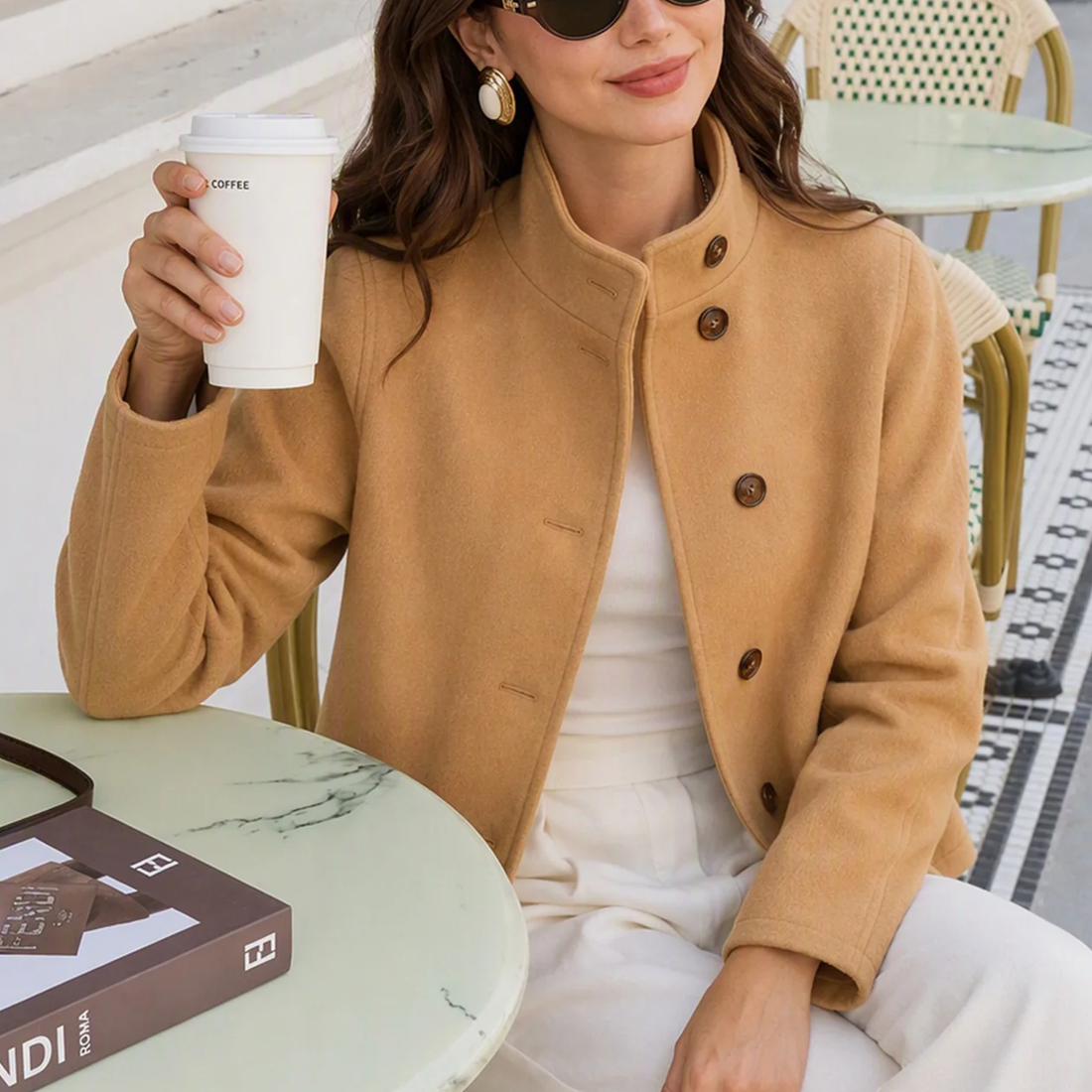
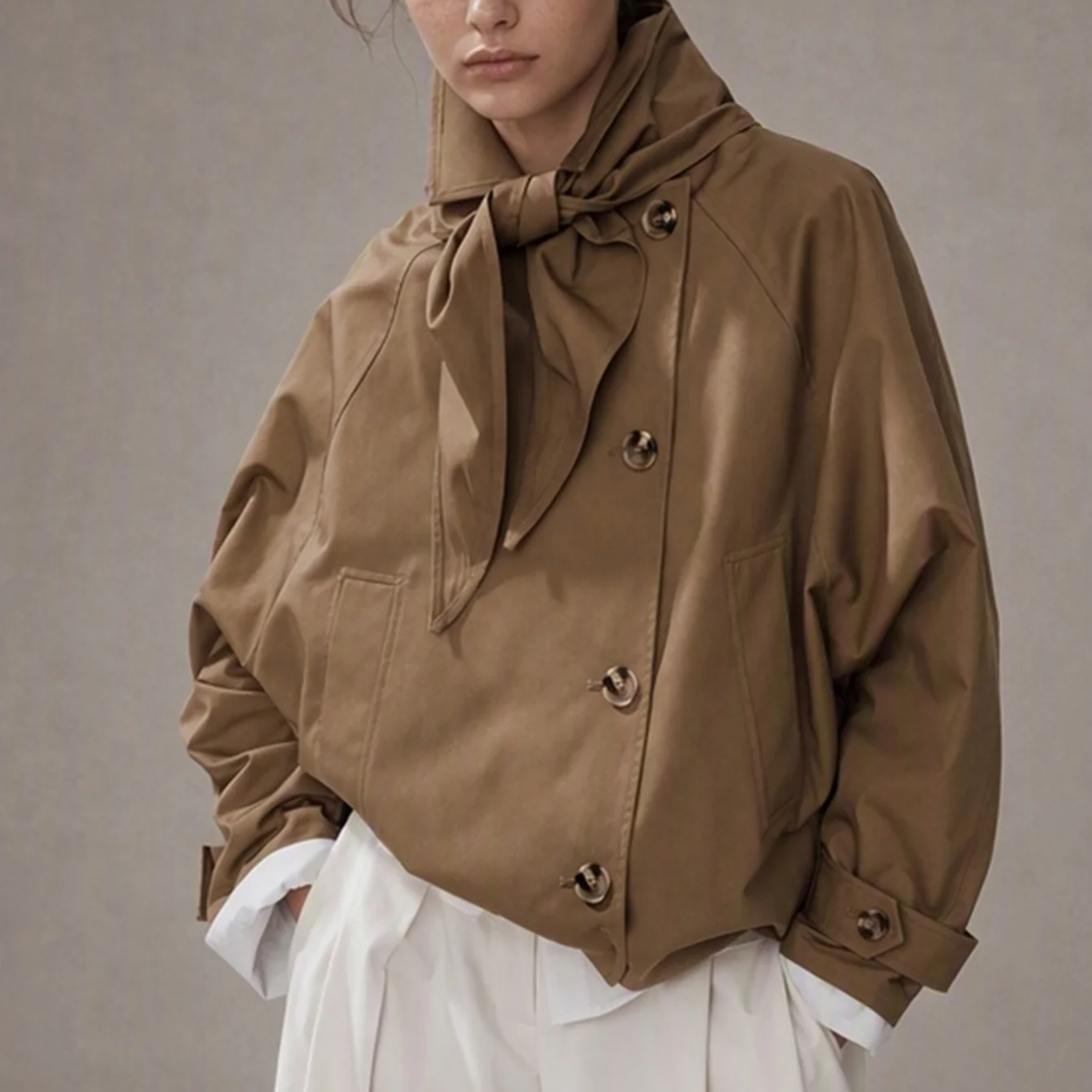
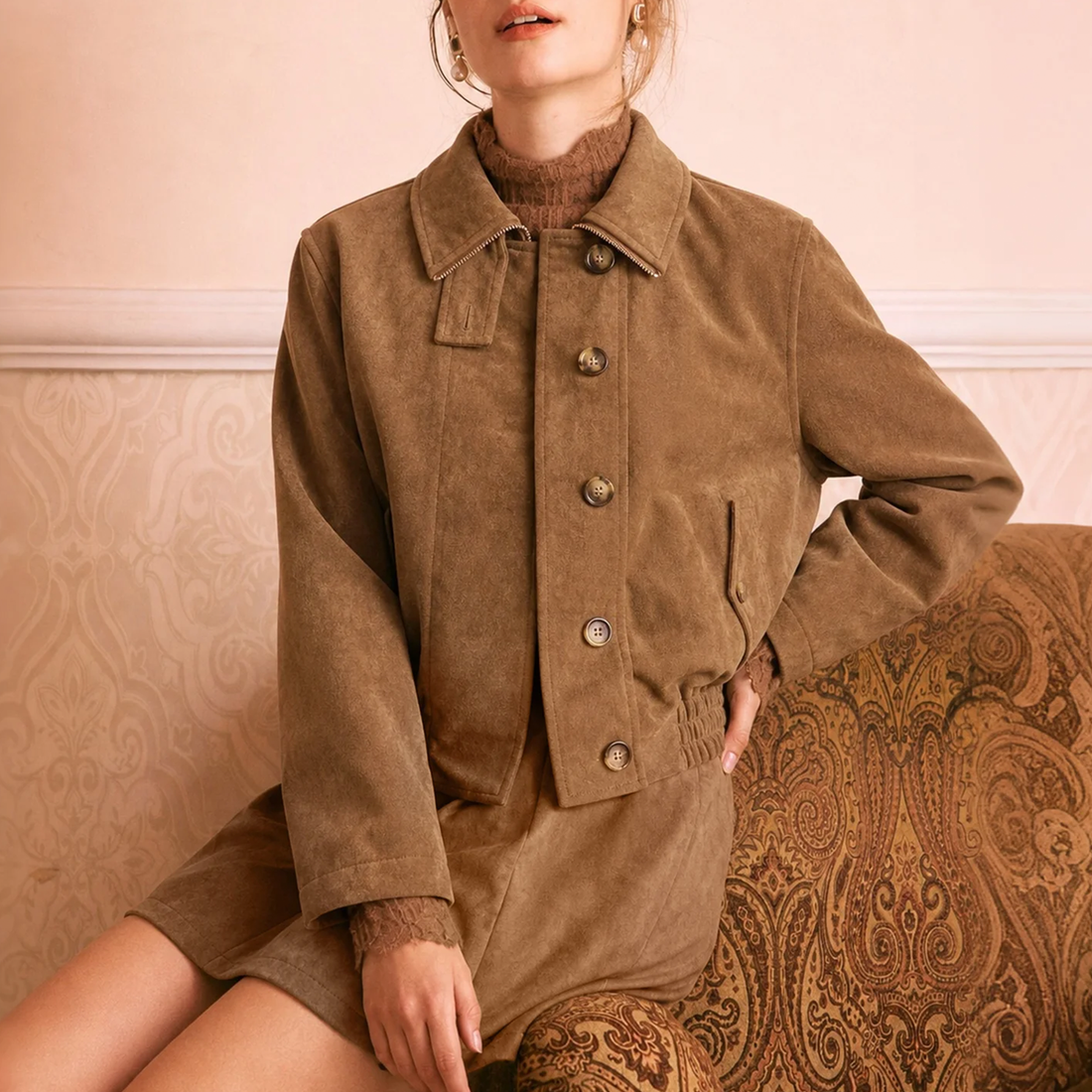
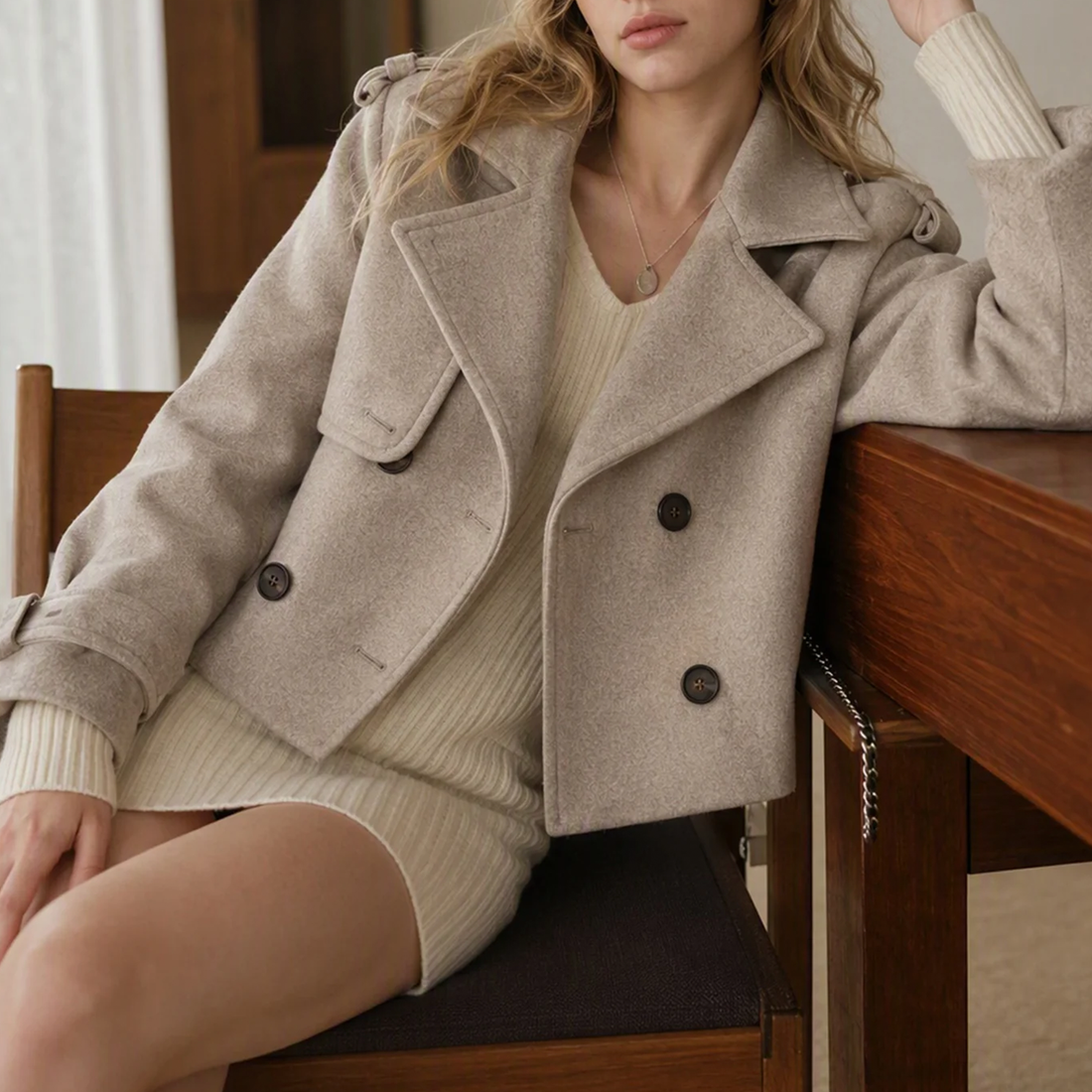
What we will not put on a label
No coat we have not worn in the rain
A waterproof finish and a wool blend read the same on a tag. Every piece on this rail was worn in real weather before it was listed, and the copy on this site describes what happened on those walks rather than what the mill promised in a catalogue.

A jacket is judged on a wet walk, not on a hanger
Every coat in this rail was worn to the station in the rain, sat in on a train and checked for where the shoulder seam lands when a bag is carried. Wool blends are chosen at a weight that holds a crease without sitting heavy on the shoulder, and every lining is tested over a knit sleeve so the arm slides in instead of catching. Buttons are pulled to see how the thread was finished, and the batwing and oversized cuts are checked for whether they swallow the wearer or leave room for a sweater underneath. A cloth that loses its shape in that week is dropped rather than photographed well.
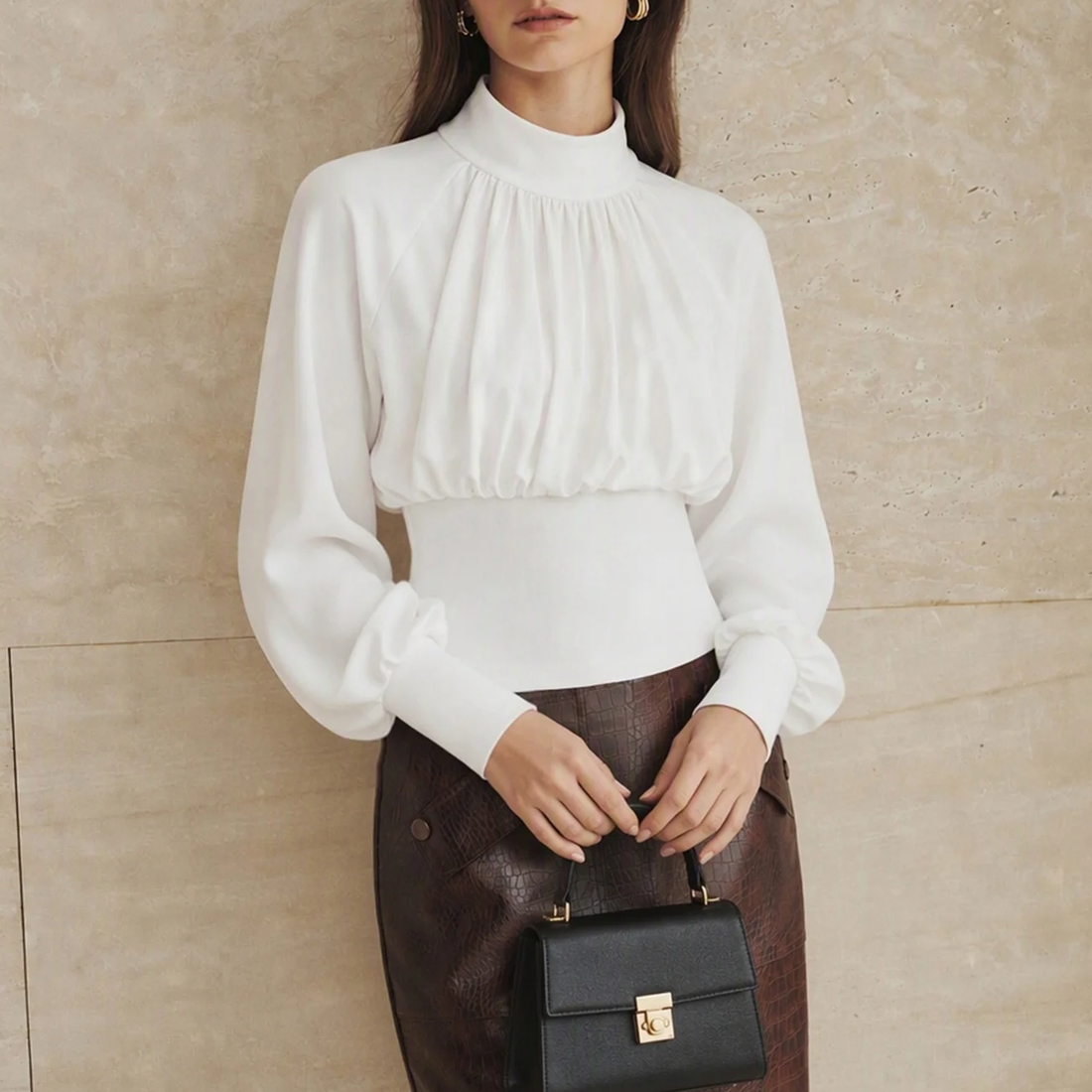
The layers, opened
A jacket, then the knit that fits under it. Each card opens on the shoulder, the lining and the room left for a sweater.
 Shoulder and sleeveFloral Lace V Neck Long Sleeve Slim Top Tee
$45.99
 Bemberg liningRibbed Round Neck Button Slim Knit Top Tee
$42.99
 Pockets bar-tackedRuffled High Neck Puff Sleeve Slim Blouse Tee
$49.99

The close-up: shoulder, lining, pocket
The shoulder of a loose jacket is where the cost hides: a dropped shoulder is easy, a set-in shoulder that still looks relaxed is not, so the sleeve head is eased rather than gathered and the seam is pressed open twice. The lining is a bemberg rather than a polyester, because it breathes through a heated train and does not squeak against a knit. Patch pockets are set at the depth of a phone and bar-tacked at the corners, and the hem is weighted so the jacket falls back into line after a day of being worn open.
Before it goes in the parcel
Worn in the rain
Each jacket is worn on a wet walk and sat in on a train before it is listed.
Room for a layer
Every product page states how much space is left under the jacket for a knit.
30 days, plus 14 by law
Unworn pieces can be returned within 30 days, on top of the 14-day right of withdrawal.